The Era of Autonomy: Why 2026 is the Year of AI Agents
Chatbots are a thing of the past. Discover how autonomous agents are transforming business productivity by executing complex tasks without constant supervision.



Chat defined 2023. Integration defined 2025. 2026 is definitely the year of autonomy. Simple text responses sit behind us. Artificial Intelligence no longer just tells us how to do things; it does them for us.
Query interfaces are no longer the center of gravity at Joinble. We now orchestrate ecosystems of AI Agents that can reason, plan, and execute complete workflows.
From Conversation to Execution
A traditional language model (LLM) and an AI Agent part ways on one axis: the agent can interact with the outside world. A chatbot sits and waits for a question. An agent is handed a goal.
A modern agent can:
- Analyze a situation: Read logs, review account statements, or monitor cameras.
- Make decisions: Judge whether a user meets KYC requirements or whether a battery should be charged from the grid.
- Execute actions: Call APIs, open Pull Requests on GitHub, or tweak physical hardware parameters.
The Architecture of Trust
Autonomy without security and observability will not earn a business's trust over its processes. That pairing matters even more when agents act on behalf of users, which is why frameworks such as Know Your Agent (KYA) are becoming essential for machine-level trust. Three fundamental pillars sit inside our 2026 systems:
- Real-Time Auditing: A forensic trace records every call to an external API. Nothing happens in a "black box".
- Operational Limits: Controlled sandboxes and granular permissions (RBAC for AIs) bound what agents may do.
- Transparent Reasoning: An "internal thought" is generated before the agent acts, so the reason for a specific decision can be audited.
Real Impact in the Fintech Sector
Onboarding and identity verification are where the earliest impact shows up. A human once had to review thousands of documents by hand. A QA Agent can now check the integrity of a video signal, catch deepfake injections, and approve or deny access in milliseconds—at superior precision. That shift belongs to a wider revolution in how AI is reshaping KYC across the financial sector.
Companies can scale at this autonomy level without a matching rise in operating costs, which frees human talent for strategy and creativity tasks. Visa is already assembling payment infrastructure around the same model, as Visa's Agentic Ready program for autonomous commerce shows.
Conclusion: The Future is "Agent-First"
An Agent-first mentality does not replace humans. It hands them a tireless, precise, and perfectly integrated workforce. How much AI you deploy will not decide success in 2026. How much autonomy you can safely delegate will.
Is your company ready to delegate to autonomous agents? Discover the Joinble Agent Builder and start automating with purpose.
Related Articles
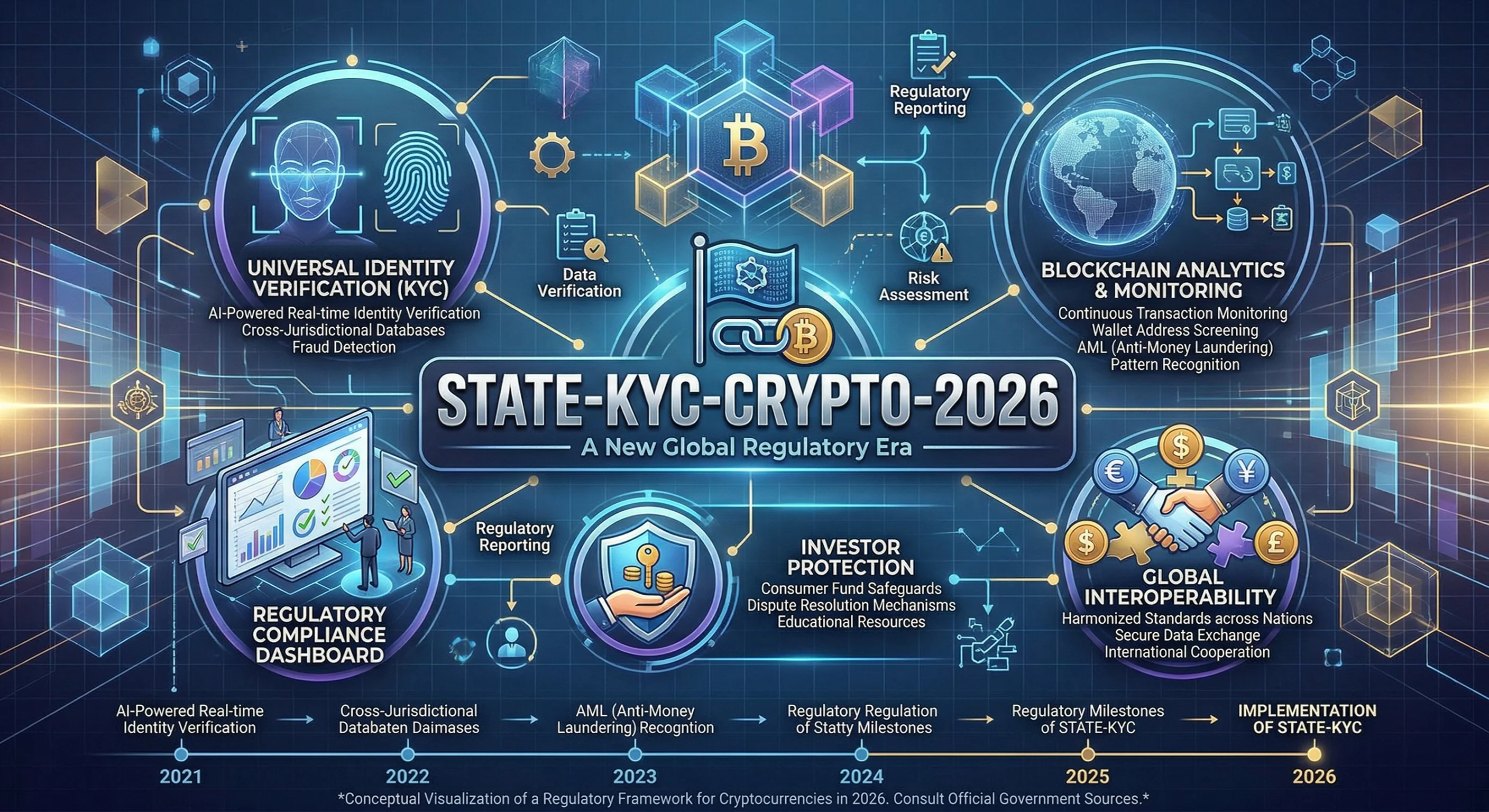
State of KYC in Crypto 2026: The Year Identity Became Autonomous
Annual report on the state of identity verification in the crypto sector. Data, trends, and the impact of MiCA, AI Agents, and real-world asset tokenization on KYC.

KYC in Luxury Transactions: Verify Seamlessly
Watches, art, yachts and supercars move billions every year. Without proper KYC, the luxury sector is fertile ground for money laundering and fraud.

Zero-Knowledge KYC: Verify Without Revealing
ZK-KYC lets firms verify compliance without storing personal data. How zero-knowledge proofs solve the GDPR–compliance paradox reshaping identity in 2026.