Deepfakes: The Challenge of Combating Synthetic Identity in 2026
In a world where AI can replicate any face and voice, traditional KYC is dead. Discover why intelligent identity is the only real defense.

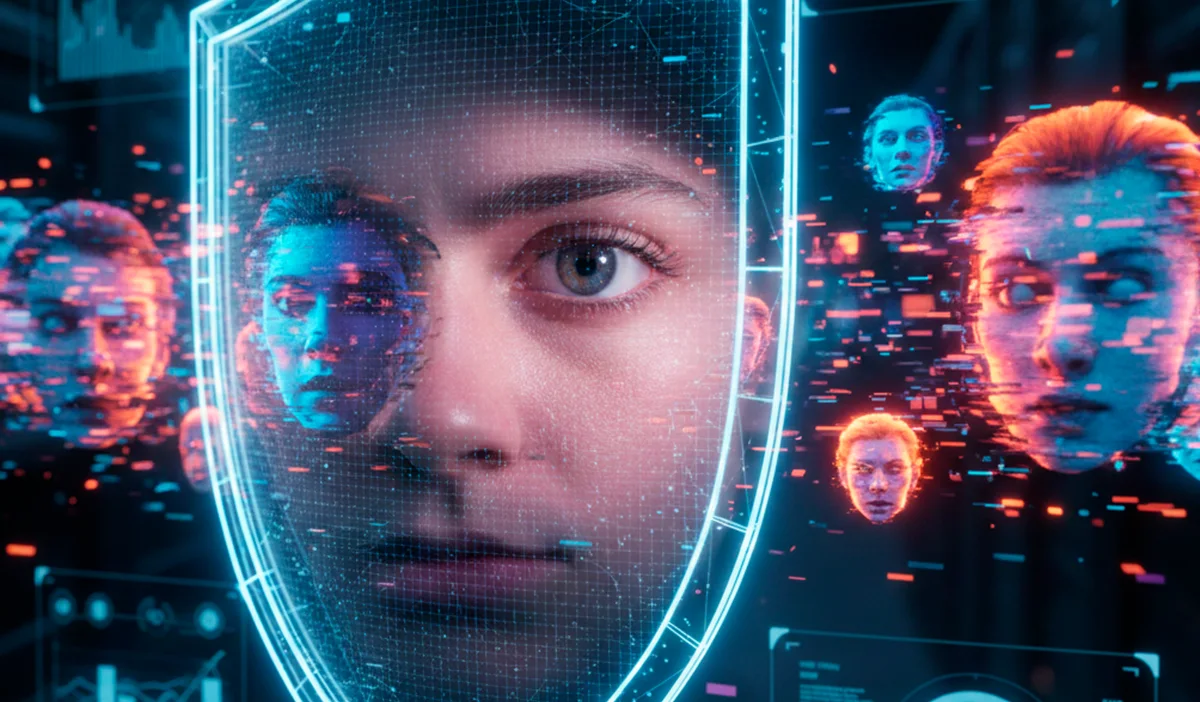
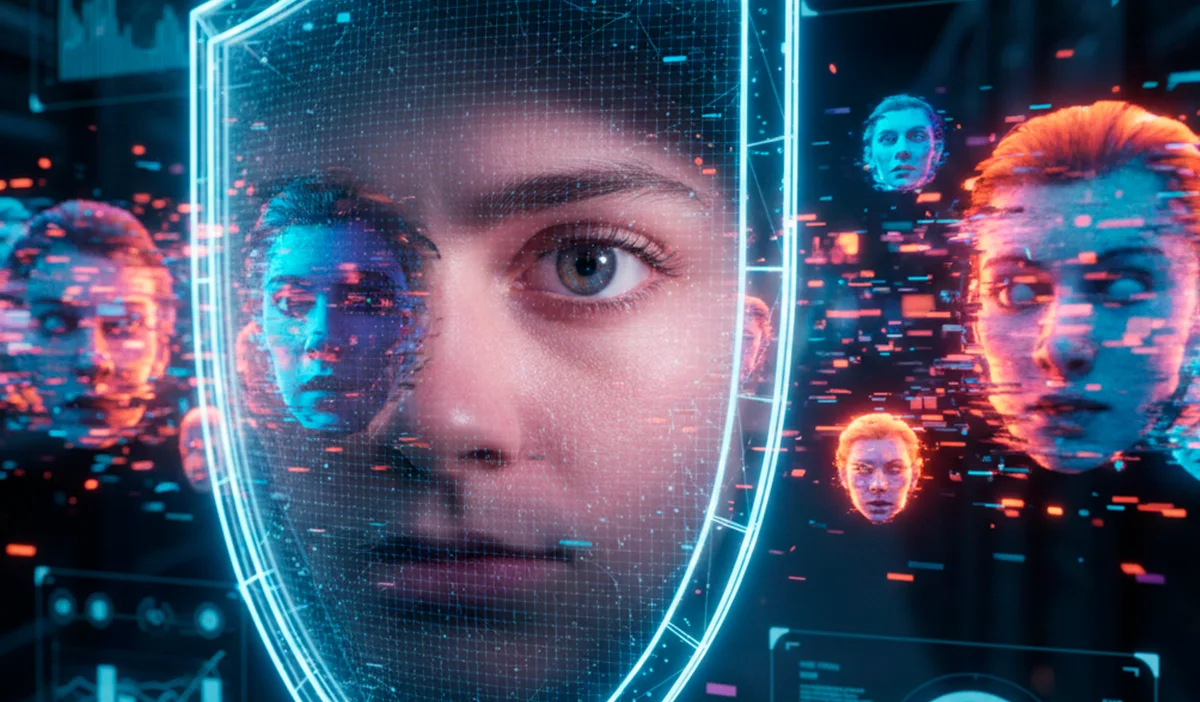
Seeing settled the argument for decades. That premise does not survive 2026. Deepfakes and synthetic identity have recast digital fraud as an industrial-scale threat, and celebrities are no longer the only people in range. Any SME operating online now sits inside the same blast radius.
Stop asking if someone will try to deceive you. Ask whether your KYC (Know Your Customer) system can tell a human from a machine.
⚠️ The End of "Static Evidence" KYC
A photo of an ID plus a selfie: that is the traditional KYC ritual everyone already knows, and it is no longer enough. Generative AI tools now:
- Replicate Documents: Produce high-resolution images of fake IDs that slip past basic OCR filters.
- Simulate Faces: Spin up 3D models that blink and move in real-time while a verification video call is underway.
- Clone Voices: Wear a customer's identity inside support processes or transaction authorizations.
Hand over a PDF or a static photo with no intelligence behind it and the check itself has become anachronistic.
🧠 The Paradox: Fighting AI with AI
Only the same technology that manufactures deepfakes can defeat them. That is the irony. Joinble has left simple validation behind and now runs advanced Liveness Detection.
What the eye registers is not the signal. What the AI detects is:
- Biometric Micro-movements: Blood flow patterns and skin textures that a screen or a mask cannot replicate. Those same principles power modern biometric age verification systems that protect minors without compromising privacy.
- Metadata and Noise Analysis: Digital traces that generative models leave behind while rendering an image.
- Proof of Humanity: Proving you are human, as Sam Altman points out, now sits as the foundational infrastructure of the digital economy.
🛡️ Not a Banking Problem, a Trust Problem
A familiar myth says deepfakes hunt only large financial institutions. The picture on the ground cuts the other way: SMEs are the preferred targets, since their defenses are often weaker.
A hotel checking a reservation, a marketplace confirming a seller, a startup controlling access—each of those flows needs verifiable identity if impersonation fraud is going to be blocked. The banking sector stays particularly vulnerable, a point we unpack in our analysis of deepfakes targeting banking onboarding in 2026.
🚀 Toward an Invisible Layer of Trust
Piling more obstacles in front of the user is not the future Joinble is building. The bet is an invisible layer of trust.
- From one-off checks to continuous biometrics. - From slow forms to millisecond validation. - From static risk to dynamic protection against synthetic fraud. Fail to evolve KYC against deepfakes and that stack is destined to fail, leaving the door wide open to fraud.
📈 Conclusion
The arms race pitting generative AI against digital security has no finish line. We already sit inside the era of Fraud 4.0, where AI fights AI on both sides of the battlefield. Rigor and transparency are what this challenge now demands.
Joinble does more than comply with regulations. We build the technology that keeps a real human being on the other side of the screen. More processes are not the gap. More truth is.
Related Articles

5 ways deepfakes are attacking bank onboarding in 2026
Identity fraud has evolved. Discover the most advanced tactics criminals use to bypass bank security and how Joinble's forensic AI is the answer.

One in 100: How Deepfakes Are Breaking ID Checks at Scale
LexisNexis: 1 in 100 failed identity checks involves a deepfake. At 100 billion annual checks, the math makes this a systemic infrastructure crisis.
Synthetic Identity Fraud: The $3.1B Crisis Reshaping KYC
Synthetic identity fraud will cost $3.1B in 2026. New research reveals why static KYC fails against ghost identities—and how continuous AI monitoring closes the gap.