Fraud 4.0: The Great Battle between Forensic AI and Malicious Agents
In 2026, digital identity faces a new threat: AI agents designed to deceive other verification systems.

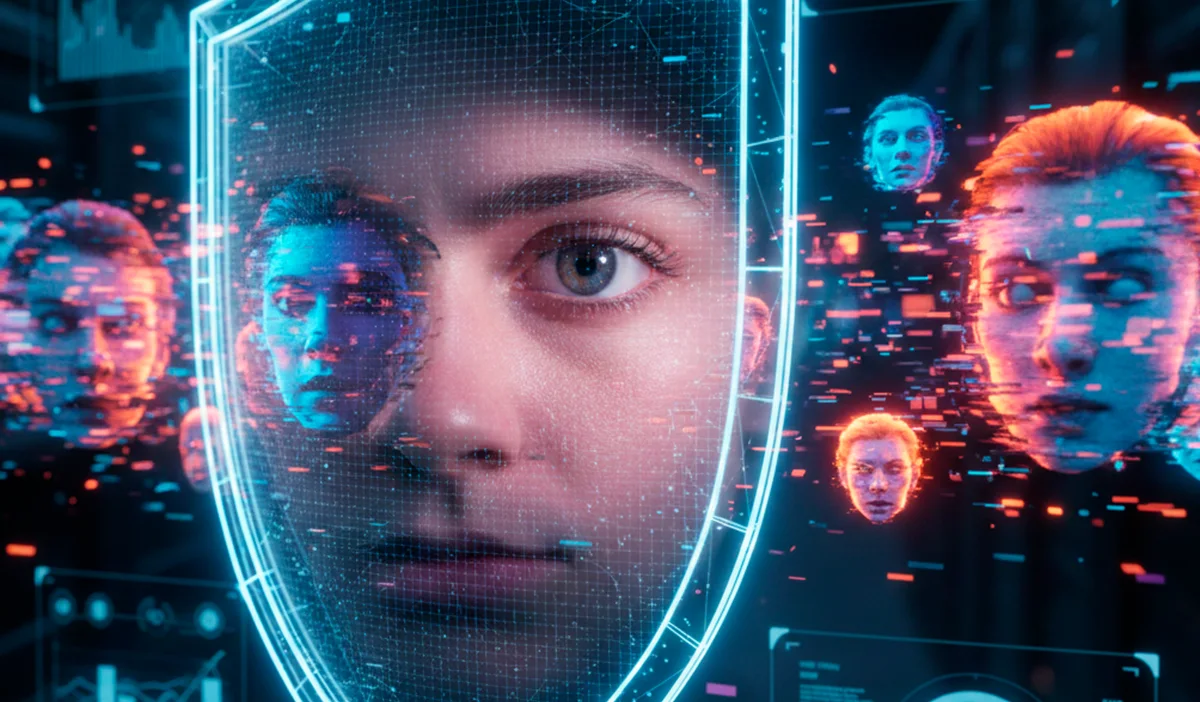
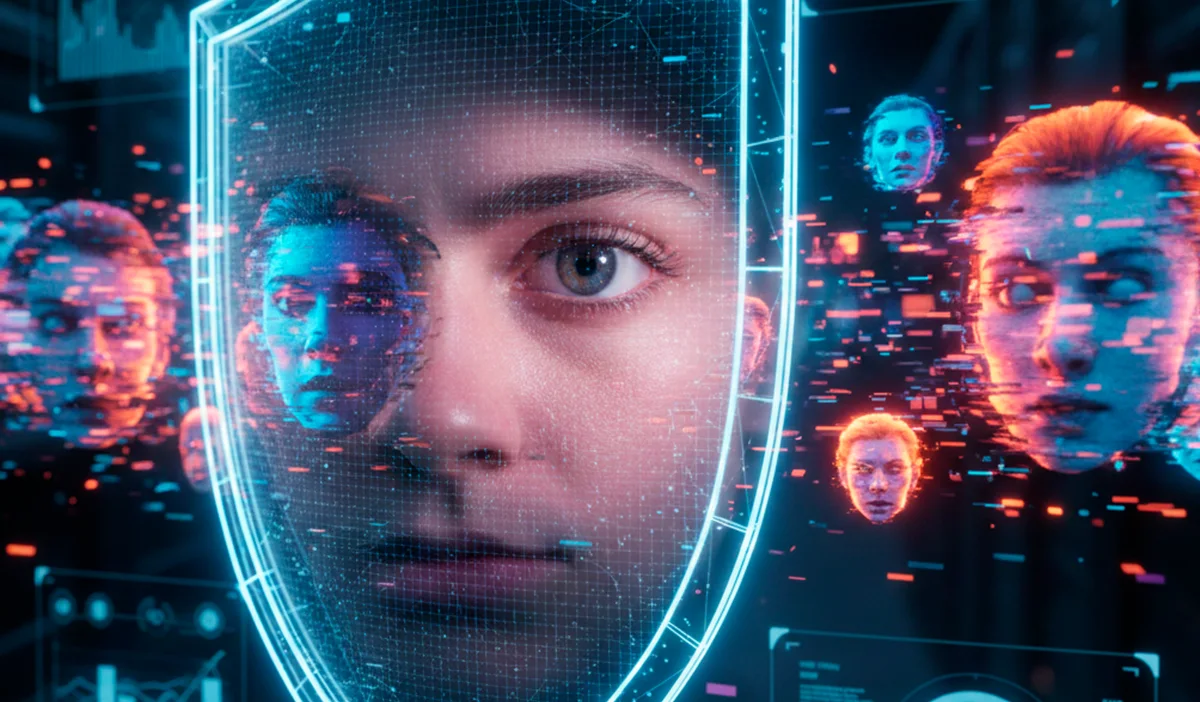
In the digital landscape of 2026, the enemy is no longer a fraudster with manual editing tools. We have entered the era of Fraud 4.0, where the attacker is an AI agent programmed to find and exploit cracks in biometric and verification systems.
🤖 The Enemy: Visual Prompt Injection
One of the most sophisticated attacks we are monitoring at Joinble is Visual Prompt Injection. Unlike traditional deepfakes, these malicious agents send pixels that are imperceptible to the human eye but designed to "confuse" computer vision models, altering the verification result from within.
It's no longer about a fake photo; it's about a reactive synthetic interaction. These AIs can blink, move their heads, or respond to voice commands in real-time during a liveness test, simulating a perfect human presence. We're already seeing these techniques deployed at scale in deepfake attacks on bank onboarding. The commoditization of this threat reached a new low in April 2026: JINKUSU CAM — a darknet KYC bypass kit priced at $15 per attempt — demonstrated that fraud infrastructure is now fully industrialized.
🛡️ The Defense: Joinble's Forensic AI
Validation based on static rules is dead. If a system only looks for "paper edges" or "reflections," a generative AI can simulate them effortlessly. That's why at Joinble, we have evolved toward a dynamic adversarial defense.
Our systems don't just analyze the image; they look for neural artifacts: microscopic fingerprints left by diffusion models and the frequency noise characteristic of AI-generated content.
Protection Strategies in 2026:
- Multimodal Analysis: We don't just look at the face; we analyze network latency, hardware behavior, and the consistency of the device's data stream.
- Frequency Detection: We identify inconsistencies in light and color that are invisible to the human eye but revealing to our forensic AI.
- Dynamic Challenge Models: We launch random challenges that are impossible to predict for an AI agent that doesn't have total control over the physical environment.
⚖️ The Future: Trust-as-a-Service
As autonomous agents begin to move money and make decisions for us, identity becomes a constant flow, not a static document. This is why AI agent verification (KYA) is becoming a critical new frontier alongside traditional AI-powered KYC. Joinble's mission is to act as the immune system of this new ecosystem, ensuring that in a world full of machines, interactions remain genuine and secure.
The Fraud 4.0 era is an unprecedented challenge, but also the ultimate opportunity for trust technology to prove its real value. The scale of the threat has forced a coordinated industry response: the American Bankers Association, the Better Identity Coalition, and the FSSCC have published a landmark 20-point policy plan to counter AI identity fraud, anchored by Deloitte's projection of $40 billion in AI-enabled losses by 2027.
Related Articles

Stolen Voice Data: What the Mercor Breach Means for KYC
In April 2026, Lapsus$ stole 4TB of voice biometrics and ID documents from Mercor. Here's what every KYC team needs to know about this new threat.

Why Liveness Detection Fails Against Injection Attacks
Injection attacks feed deepfakes into KYC APIs, bypassing liveness checks at the software layer. The WEF 2026 Atlas tested 17 tools that defeat standard biometric verification.

KYC Bypass-as-a-Service: The $15 Deepfake Threat
JINKUSU CAM is a darknet kit that bypasses KYC on Binance and Coinbase for $15 using real-time deepfakes. What every compliance team needs to know now.