Asset Tokenization and KYC: Key to Token Economy
Asset tokenization is reshaping finance, real estate, and art markets. But without robust identity verification, the token economy cannot scale. Discover how AI-powered KYC enables compliant, secure tokenization.



By 2026, asset tokenization has already left the speculative stage. Fine art, real estate, private equity, and carbon credits are being split into digital tokens that sit on blockchain networks. Boston Consulting Group projects that the global tokenized asset market will exceed $16 trillion by 2030.
A basic constraint still gets skipped too often: the token economy cannot exist without strong identity verification.
What Is Asset Tokenization?
Rights attached to a real-world asset are converted into a digital token on a blockchain. That token stands for a slice of ownership. Holders can trade it, transfer it, or keep it — all on a decentralized ledger.
Several concrete advantages follow from that model:
- Fractional ownership: Invest in a building or a painting with as little as €50.
- 24/7 liquidity: Trade tokenized assets globally, any time.
- Transparency: Every transaction is recorded on an immutable ledger.
- Reduced intermediaries: Smart contracts replace layers of middlemen.
The Regulatory Reality: No Identity, No Tokens
Supervisors from the EU's MiCA regulation through the SEC's evolving digital asset framework treat tokenized assets as financial instruments. Anyone who issues, trades, or holds them has to satisfy KYC and AML requirements.
That obligation reaches every participant in the token economy:
- Issuers must verify their own identity and legal standing.
- Investors must pass KYC checks before purchasing tokens.
- Secondary market traders need verified wallets linked to real identities.
- Custodians and platforms must implement ongoing due diligence.
If that trust layer is missing, tokenization platforms can become venues for money laundering, fraud, and sanctions evasion. How fast those obligations keep moving is mapped in the state of KYC in crypto for 2026.
Why Traditional KYC Fails in Tokenized Markets
Paper forms and bank branches shaped legacy KYC. Tokenized markets run at another speed and another scale:
| Challenge | Traditional KYC | AI-Powered KYC |
|---|---|---|
| Onboarding speed | Days to weeks | Seconds |
| Global coverage | Limited jurisdictions | 190+ countries |
| Fraud detection | Manual review | Real-time AI analysis |
| Scalability | Linear (more staff) | Exponential (automated) |
| User experience | High friction | Invisible verification |
A platform that handles thousands of micro-investments from investors worldwide cannot treat manual KYC as viable. Extra forms, delay, and human review each cost an investor and open a compliance gap.
How AI-Powered KYC Enables the Token Economy
Intelligent identity verification changes that math. AI-driven KYC platforms such as Joinble deliver:
1. Instant Global Verification
AI document recognition and biometric matching confirm investors from any country in seconds. Waiting, manual steps, and geographical limitations drop out of the flow.
2. Forensic Deepfake Detection
Capital flowing into tokenized assets also draws sophisticated fraud. Synthetic identities, deepfake videos, and document forgeries that would slip past traditional checks are caught by Joinble's forensic AI.
3. Risk-Based Compliance Orchestration
Verification intensity does not have to be identical for every token purchase. No-code workflow builders let compliance teams define dynamic rules: lighter checks for small transactions, enhanced due diligence for large holdings — all of it automated.
4. Continuous Monitoring
Onboarding is not the end of KYC. Across the investment lifecycle, AI agents keep watching for suspicious patterns, sanctions list changes, and behavioral anomalies.
5. Regulatory Adaptability
MiCA in Europe, SEC rules in the US, and MAS guidelines in Singapore do not line up. Verification flows shift by jurisdiction under AI-driven KYC, so global compliance does not require a separate system for each regime.
Real-World Use Cases
Tokenized Real Estate
A commercial building in Madrid is split into 10,000 tokens. Investors from 30 countries may buy in, provided each one is KYC-verified under Spanish and EU rules. Instant onboarding across those jurisdictions is what Joinble supplies. Identity verification in property transactions is covered in full in our real estate KYC guide.
Fractionalized Art and Collectibles
Tokenized shares of a Picasso are listed by a luxury auction house. Enhanced due diligence fires automatically on high-value transactions; smaller purchases move through streamlined verification.
Carbon Credit Tokens
Tokenized carbon credits go out from an environmental platform. Buyers include both corporations and individuals. From institutional-grade verification down to lightweight consumer checks, AI-powered KYC scales without a break.
The Future: Identity as Infrastructure
Anonymous wallets will not carry the token economy to scale. What will are verified, trusted identities that move across platforms, jurisdictions, and asset classes.
Winners in tokenization will hide compliance in the plumbing — identity verification as foundation rather than as a gate.
Three pillars, in Joinble's view, support the future of tokenized assets:
- AI-first verification that eliminates friction without compromising security.
- Global compliance that adapts to any regulatory framework automatically.
- Continuous trust that goes beyond one-time onboarding to ongoing assurance.
How Joinble powers compliant tokenization identity verification is documented in more detail there.
Is Your Platform Ready for the Token Economy?
Builders and operators of tokenization platforms no longer debate whether KYC is required. The live question is whether that KYC can match the speed, scale, and sophistication of tokenized markets.
AI is where that answer begins.
Related Articles
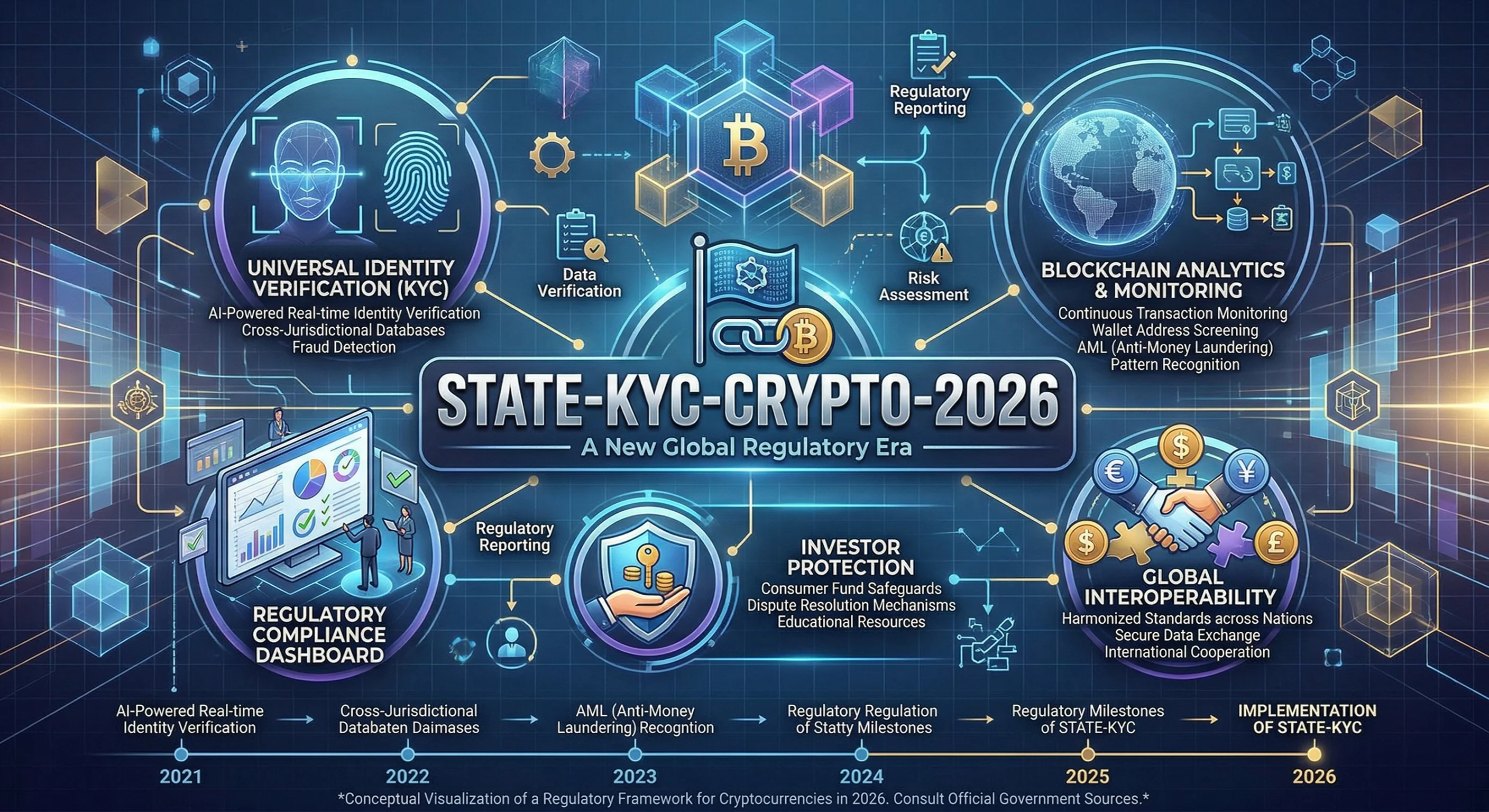
State of KYC in Crypto 2026: The Year Identity Became Autonomous
Annual report on the state of identity verification in the crypto sector. Data, trends, and the impact of MiCA, AI Agents, and real-world asset tokenization on KYC.

Real Estate KYC: Anti-Money Laundering Guide
The real estate sector is highly exposed to money laundering. Learn how to implement KYC in your agency with identity verification, UBO due diligence, and AI-powered automation.

AMLR 2027: New KYC Rules for Real Estate, Luxury & Football
EU AMLR 2027 extends KYC obligations to real estate, luxury goods, and football. Fourteen months for sectors with zero compliance history to get it right.