How AI Can Kill KYC… and at the Same Time Save It
Artificial intelligence is making traditional KYC obsolete — but it’s also the only way for KYC to survive. Biometrics, identity, and Sam Altman’s vision for the future.

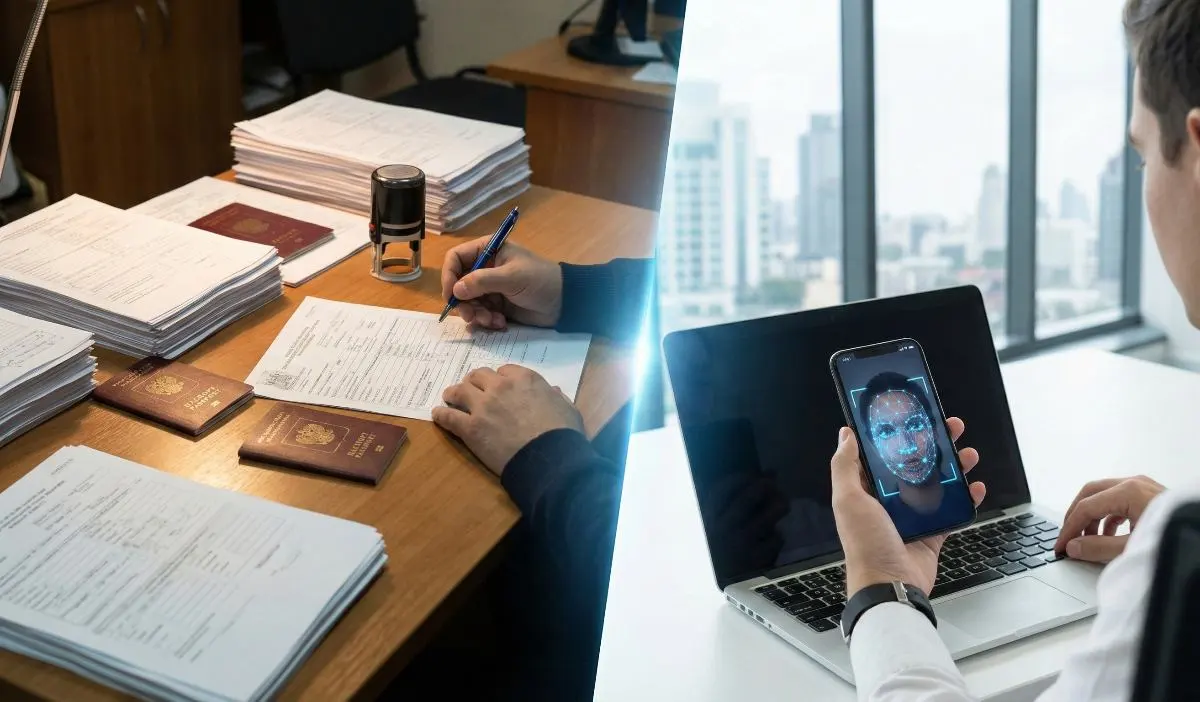
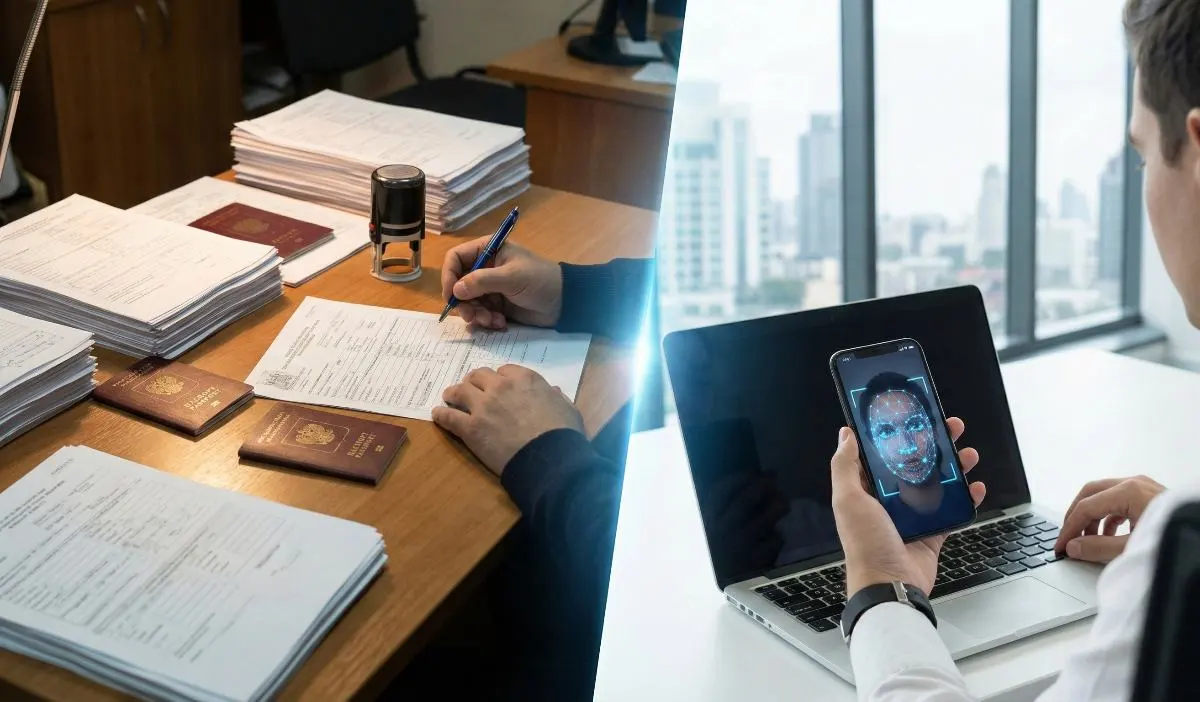
For years, KYC (Know Your Customer) has been synonymous with friction: endless forms, document uploads, manual checks, and delays. With the rise of artificial intelligence, an uncomfortable but inevitable question emerges:
Can AI make KYC disappear altogether?
The short answer is yes.
The accurate answer is: only the traditional version of KYC.
⚠️ Why AI can destroy KYC as we know it
AI is dismantling the foundations of legacy KYC:
- Manual document verification
- Static rule-based checks
- Slow, sequential processes
- Binary decisions (approve / reject)
Computer vision, facial biometrics, and real-time fraud detection systems make many historical KYC steps redundant. In a world where identity can be verified in seconds, asking for PDFs and basic selfies without intelligence is obsolete.
Any KYC system that doesn’t evolve is destined to disappear. The AI revolution reshaping KYC is already underway.
🧠 The paradox: only AI can save KYC
Ironically, the same AI threatening KYC is the only thing that can make it viable long term.
The future of KYC isn’t more control — it’s better identity:
- Continuous biometrics instead of one-time checks
- Dynamic risk assessment instead of static rules
- Fewer interruptions, more signals
- Identity as a living system, not a checklist
KYC stops being a process and becomes an invisible trust layer.
👁️ Biometrics and identity: Sam Altman’s perspective
Sam Altman has been clear in multiple public statements:
“In a world of advanced AI, proving that you are human will become increasingly important.”
As autonomous agents, deepfakes that challenge digital identity, and generative models proliferate, verifiable human identity becomes critical. Not for surveillance — but to distinguish humans from machines.
Biometric identity, proof-of-humanity systems, and verifiable credentials are not dystopian concepts. They are foundational infrastructure for the next digital economy.
🔐 From reactive KYC to intelligent KYC
AI enables a fundamental shift:
- From one-time onboarding → to continuous verification
- From rigid rules → to adaptive risk models
- From friction → to seamless user experience
- From compliance → to trust
When done right, KYC is no longer a regulatory cost — it becomes a competitive advantage. For a complete primer on how this process works, see our KYC Know Your Customer guide.
🚀 The role of platforms like Joinble
At Joinble, we believe KYC shouldn’t disappear — it should disappear as a problem for the user. By combining biometrics, generative AI, and adaptive flows, compliance can be automatic, transparent, and secure.
The alternative is simple:
either KYC evolves with AI,
or it will be replaced by identity systems that already have.
📈 Conclusion
AI will not destroy KYC.
It will destroy badly designed KYC.
The future belongs to those who understand that identity, biometrics, and artificial intelligence are not opposing forces — they are components of the same system. A system where trust is not requested, but continuously proven in real time.
Related Articles
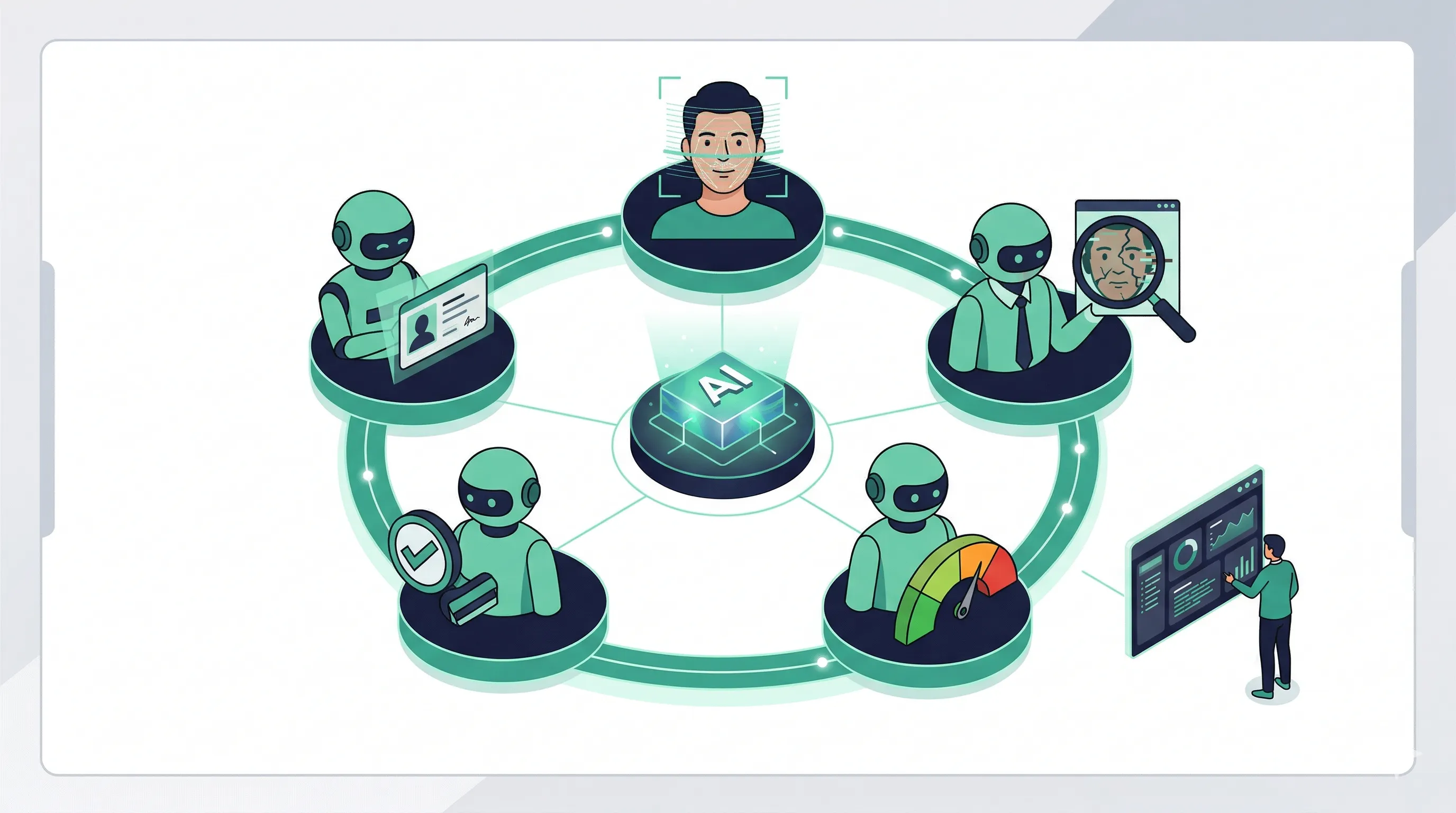
Agentic KYC: How Autonomous AI Agents Are Replacing Manual Compliance Reviews
Traditional KYC relies on human reviewers. Agentic KYC uses autonomous AI agents that detect deepfakes, assess risk, and make compliance decisions. Learn how multi-agent architecture reduces 80% of manual reviews while meeting MiCA and AMLD6 requirements.

Asset Tokenization and KYC: Key to Token Economy
Asset tokenization is reshaping finance, real estate, and art markets. But without robust identity verification, the token economy cannot scale. Discover how AI-powered KYC enables compliant, secure tokenization.

KYC 3.0: From reactive verification to predictive intelligence
Discover how KYC 3.0 transforms digital onboarding by shifting from validating documents to predicting risk through behavioral patterns and AI.